Case Study — Bandai Namco Studios Inc.
What changed after upgrading from SyncVV to SyncVV-II. We spoke with the motion capture team about day-to-day operations, the support they received, and where they would like the product to go next.
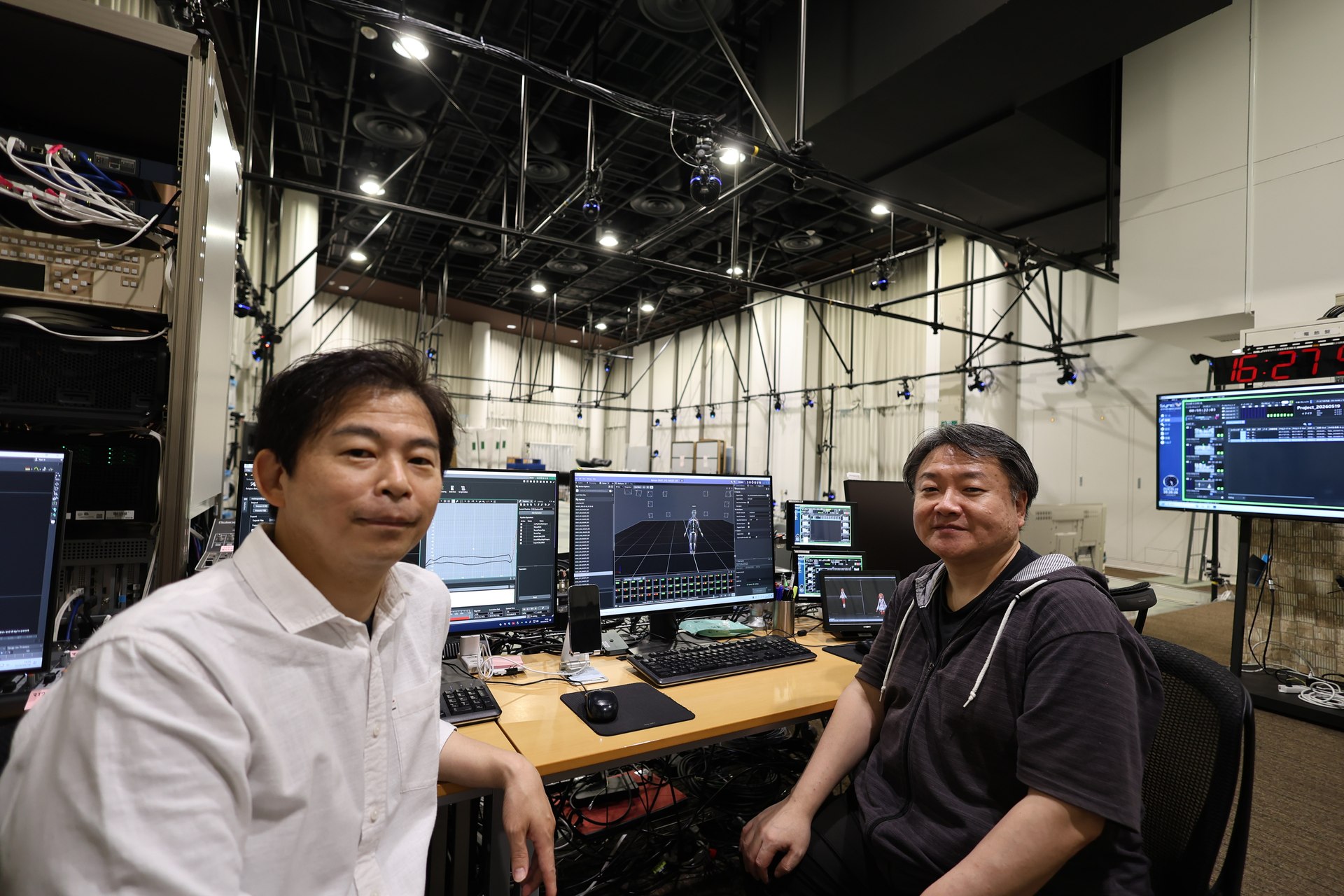
The Studio and the People We Spoke With
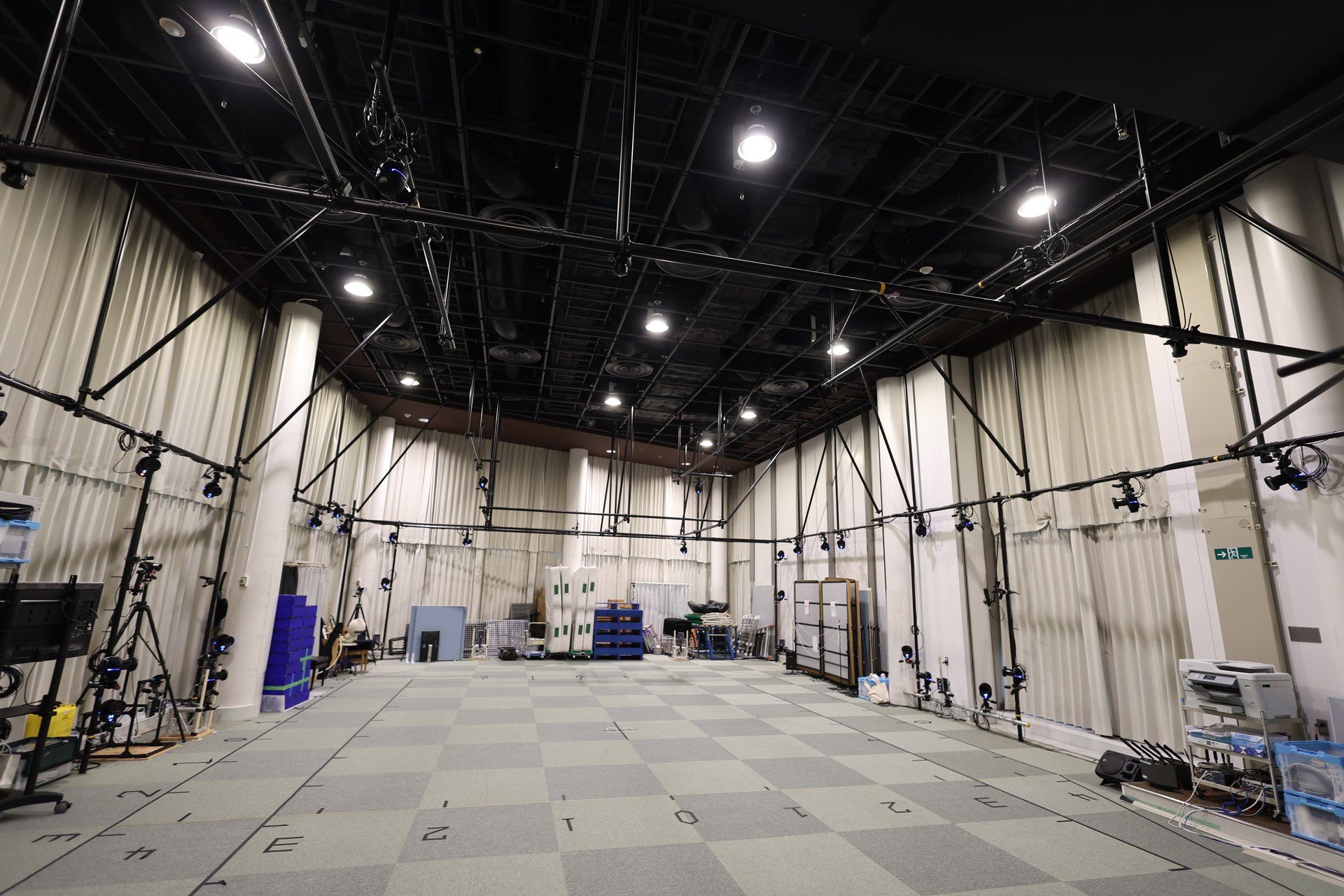
In March 2023, Bandai Namco Studios Inc. replaced their VICON T160 to VALKYRIE "VK26" cameras. Then, in November 2024, they upgraded their professional audio and video recording system from "SyncVV" to "SyncVV-II."
For this case study, we spoke with two members of the Motion Section, Common Infrastructure Development Department, Tech Studio Group 2:
── What led you to introduce SyncVV-II?
Mr. Osone: Three years ago we introduced VICON VALKYRIE, and that changed finger capture from something fairly approximate into something where we could capture each finger individually. Once that became possible, we started getting requests for the reference video as well — "we want to see the detail," "we want to see the fingertips."
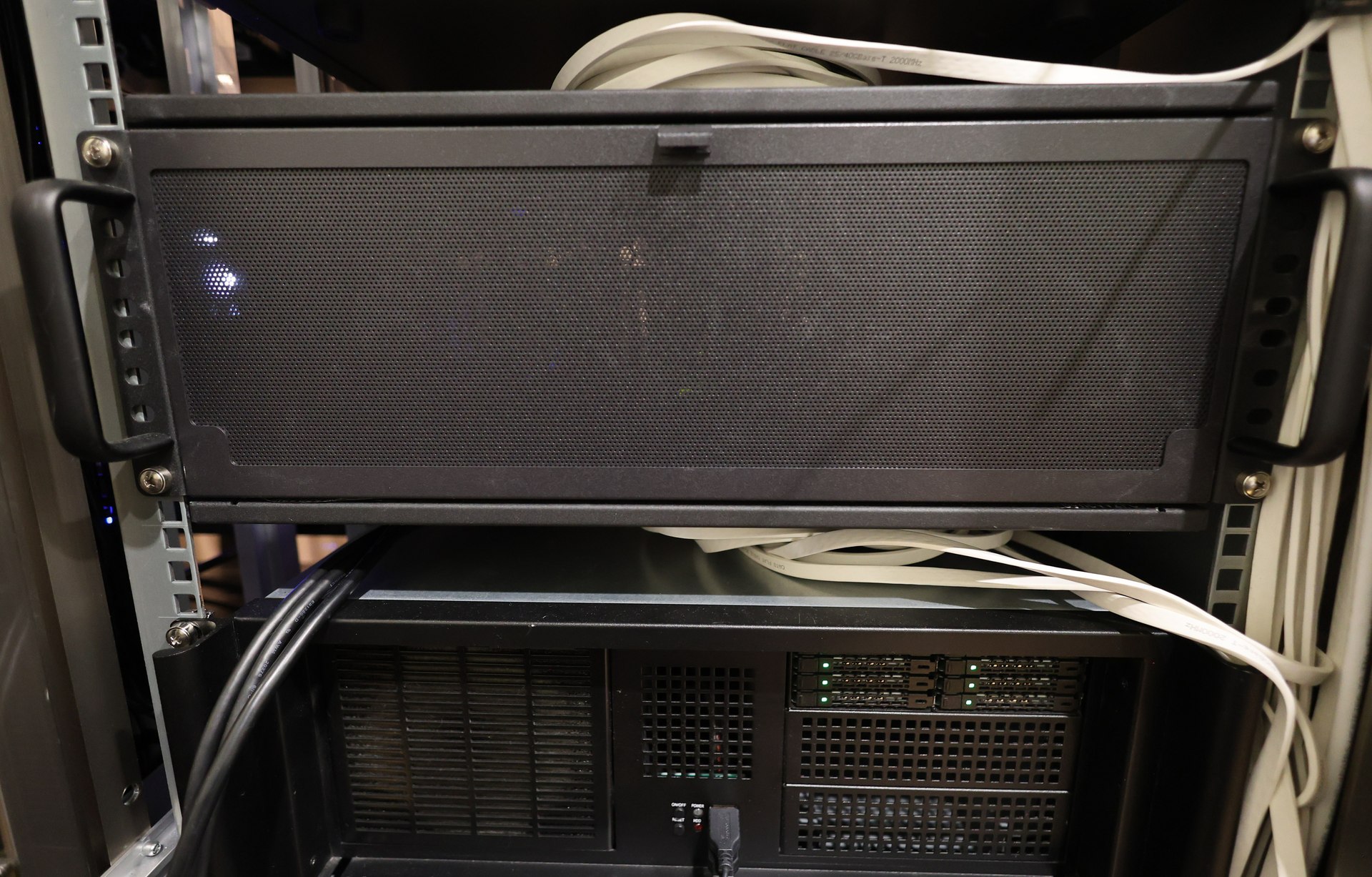
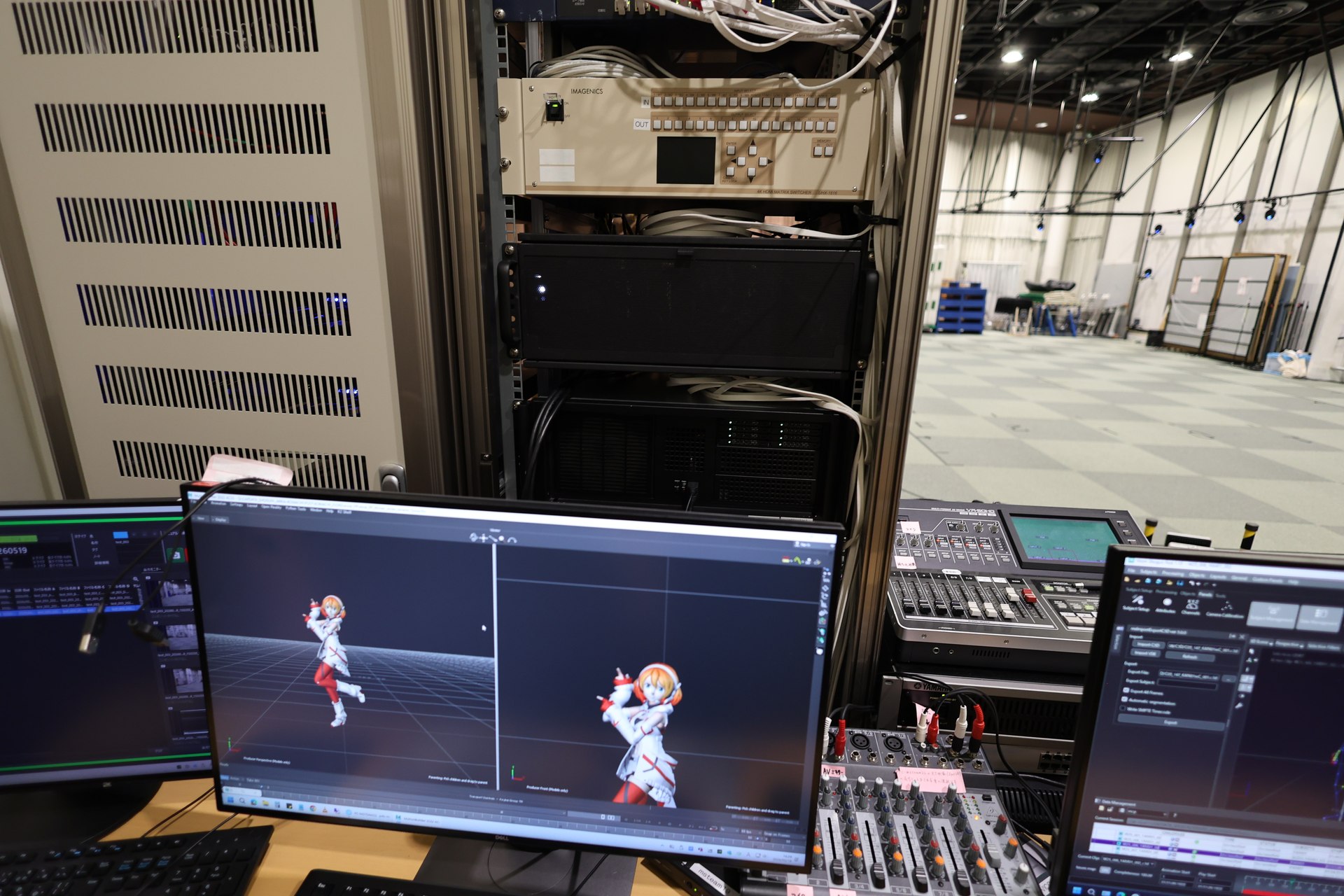
The previous system could record at 1080p on a single channel, but once you went to multiple channels you had to drop to 720p to be able to record at all. So the question became, "Where do we go from here?" SyncVV-II solved exactly that problem, and we brought in two units.
── How has it gone since the deployment? What has been good about it?
Mr. Osone: After the deployment, the project side has been telling us that the video went from SD to HD and is now much sharper and easier to read — that has been very well received. The operating conventions were already familiar to us, so the transition went smoothly from our side as well. Each unit records four channels at 1080p Full HD, and with two units running in parallel we can record up to eight channels at the same time. The fact that the first and last frames line up across channels is another point we're really glad about.
Mr. Samata: Recording has become more stable. On top of that — previously with Shogun, there was a noticeable gap between when one take ended and the next could start, but after the upgrade to SyncVV-II we can now capture reference video in tight succession without that stress. We can really feel the difference on set. Having four facial channels recording reliably also makes the shoot flow better, and that reduces the load on the performers.
── How was the support during deployment?
Mr. Osone: We were really helped. In our environment, recording did not work properly right after deployment. We reached out to Crescent and Liberal Logic, and they came on-site with equipment to analyze the video waveform signals, and worked through the root cause with us. As a result, we found that the converter being used downstream of the cameras had a signal quality issue, and the problem was resolved cleanly. We genuinely could not have identified the cause on our own, so we are very grateful. Since then, whenever we have asked for support, the response has been fast and the issue has been solved — that is reassuring.
── Today's SyncVV-II uses Bluefish444 capture boards on the video I/O side. How would you describe its reliability?
Mr. Osone: Since deployment it has been stable for us. For a studio like ours that continues shooting over the long term, being able to rely on the same product staying stable over many years brings real peace of mind.
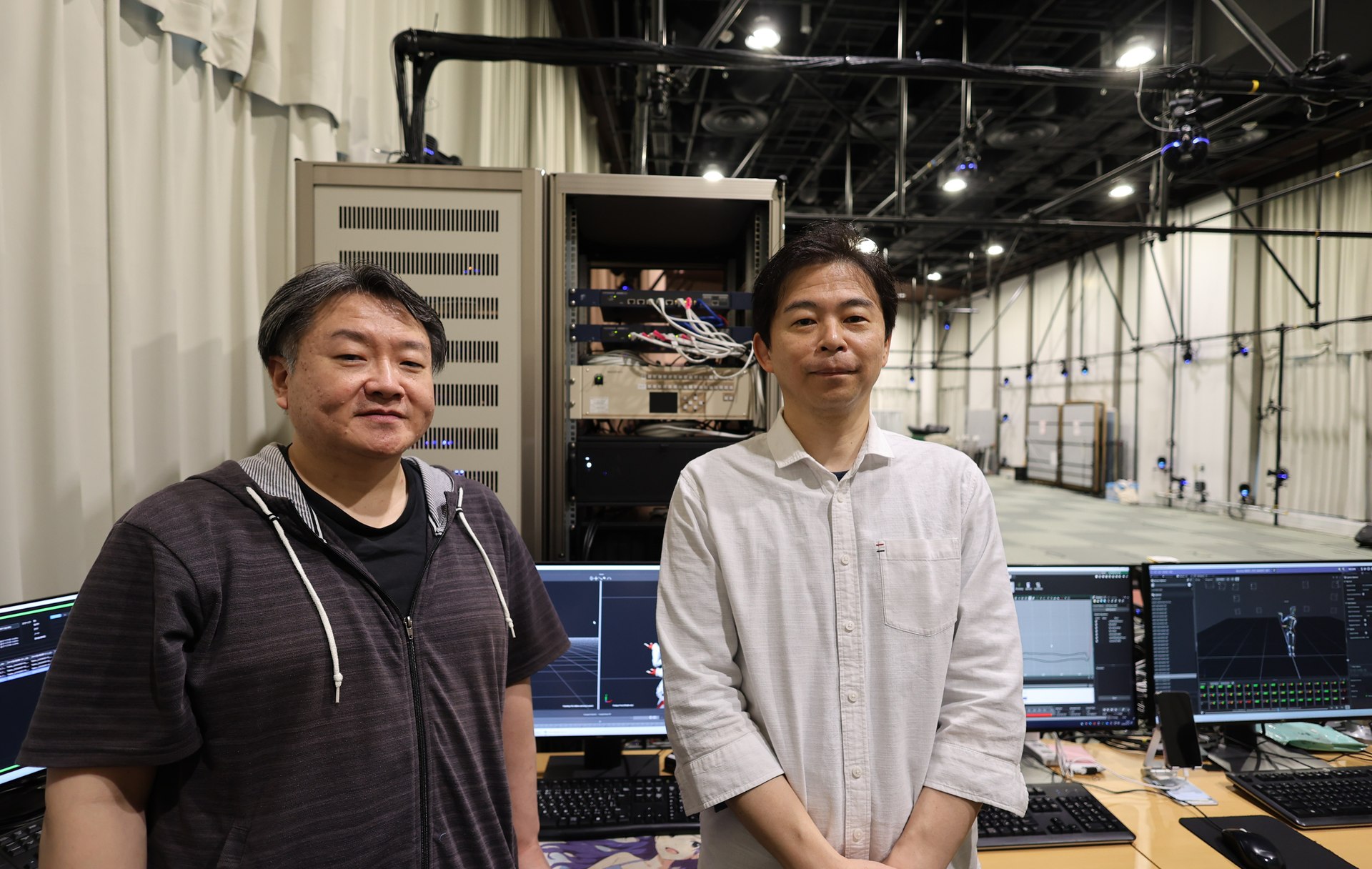
Thank you very much for making time during a busy schedule to share this with us.